

News
-
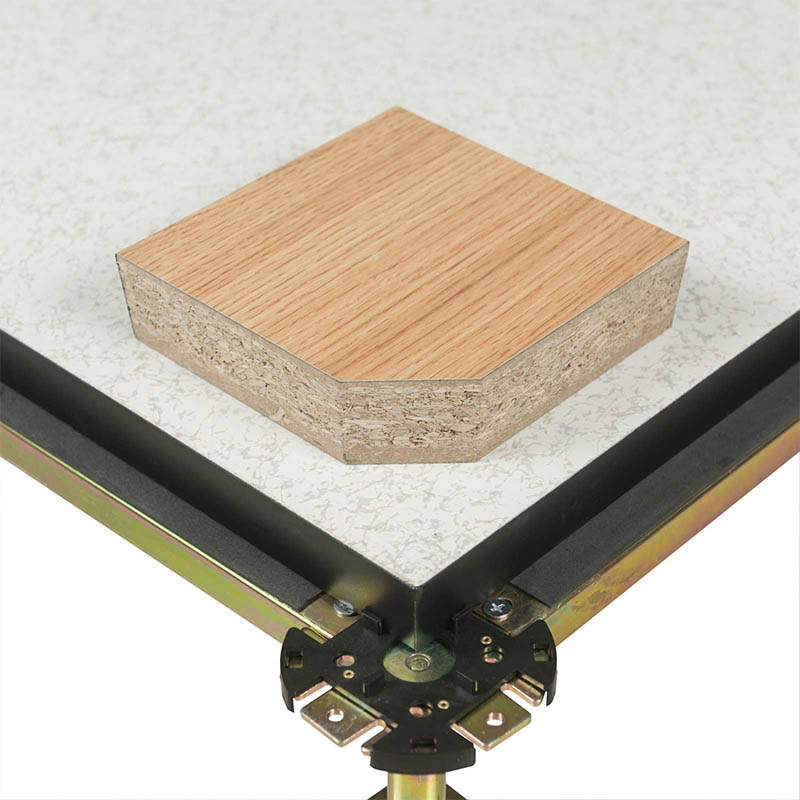
How stable is the anti-staic wood core raised access floor in a humid environment?
The edges of the flooring are a weak point for moisture penetration. If the edges are not sealed properly, moisture may seep into the wood core through the gaps, causing the veneer to peel or come off.
Learn More2025-11-07 -
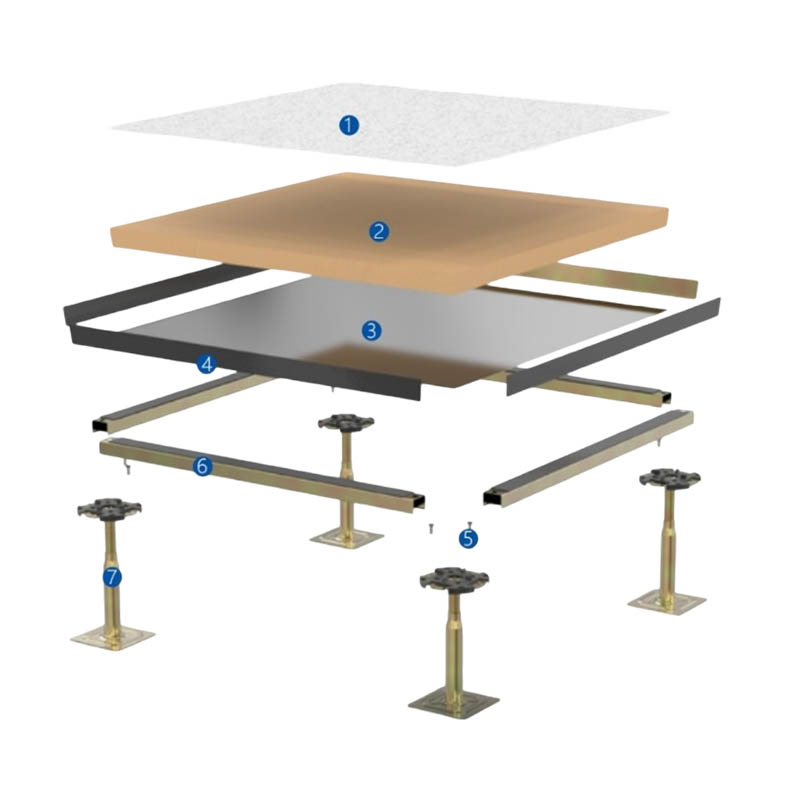
Does Anti-Stabilized Wood Core Raised Access Flooring Effectively Discharge Static Electricity to Protect Equipment?
In modern office environments, data centers, laboratories, and electronics manufacturing workshops, static electricity has become a significant, albeit hidden, threat.
Learn More2025-10-30 -
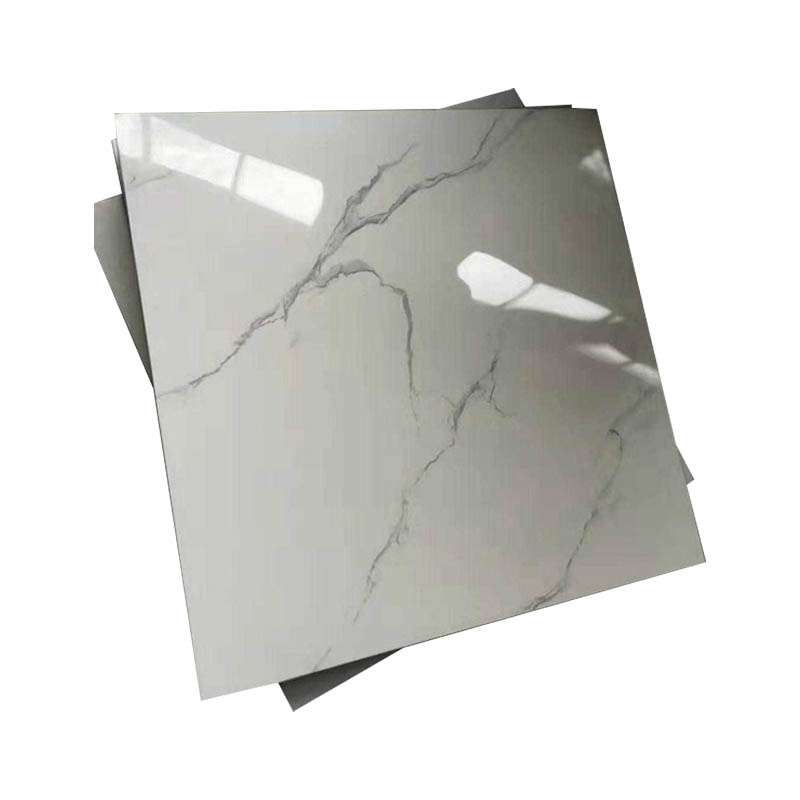
How does a ceramic finish calcium sulphate raised access floor achieve both high strength and eco-friendliness?
The success of ceramic finish calcium sulphate raised access flooring stems from its deep integration of materials science and sustainable development. It demonstrates that high performance and eco-friendliness are not mutually exclusive.
Learn More2025-10-24 -
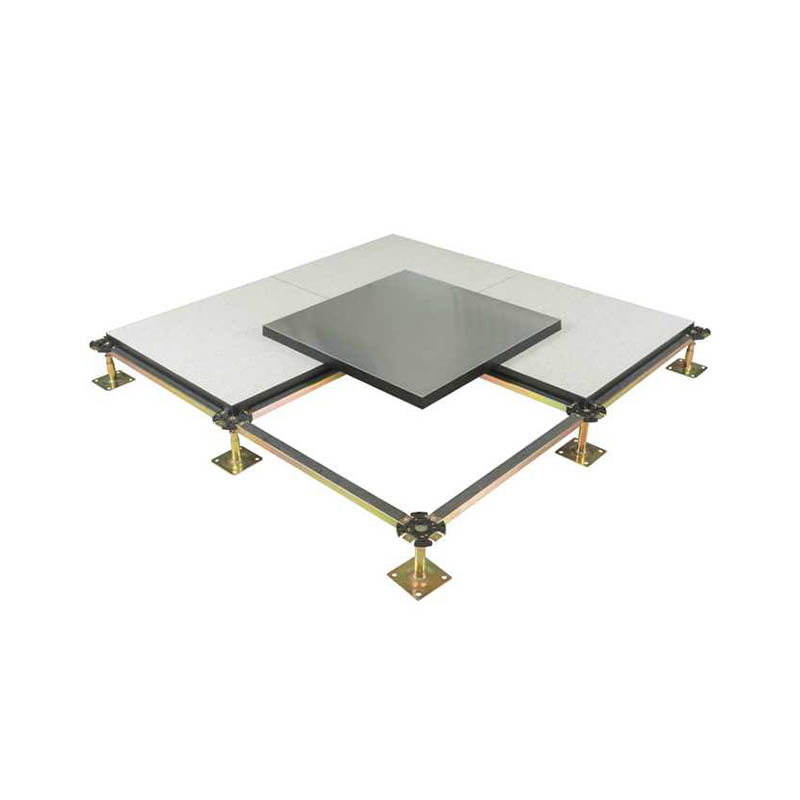
How does the anti-staic calcium sulfate raised access floor achieve efficient static discharge through its conductive layer and grounding system?
To effectively control static buildup, the anti-staic calcium sulfate raised access floor, with its scientific structural design and comprehensive conductive system, has become a core solution for ESD protection in high-end workplaces.
Learn More2025-10-16 -
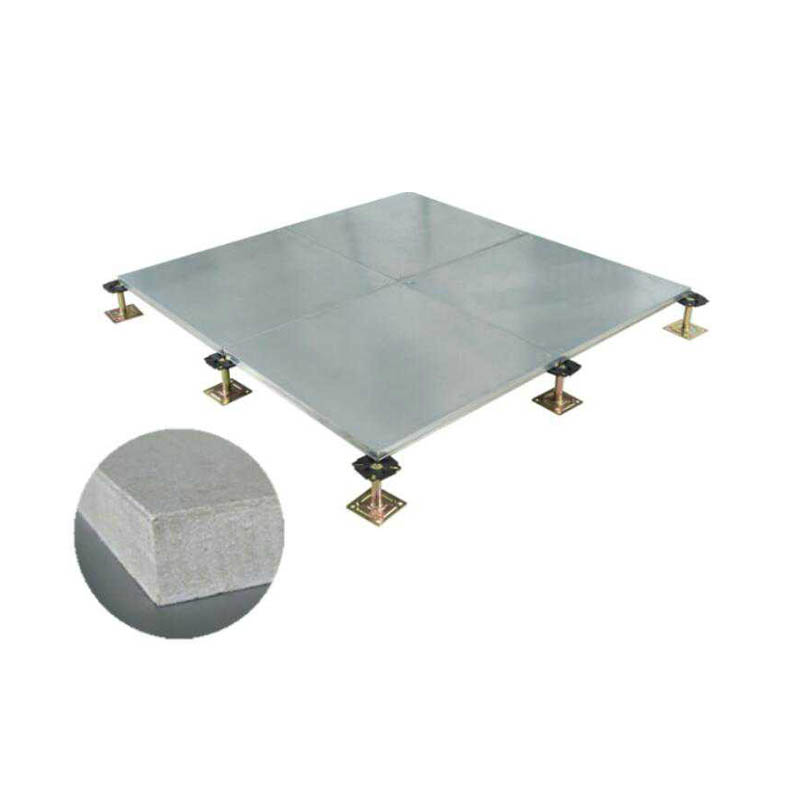
How does the encapsulated calcium sulphate raised access floor achieve excellent uniform load distribution and concentrated load-bearing capacity?
In modern high-end buildings and information infrastructure, floor systems have long transcended simple pedestrian functions, becoming core structures that support equipment, integrate pipelines, ensure safety, and enhance spatial flexibility.
Learn More2025-10-11 -
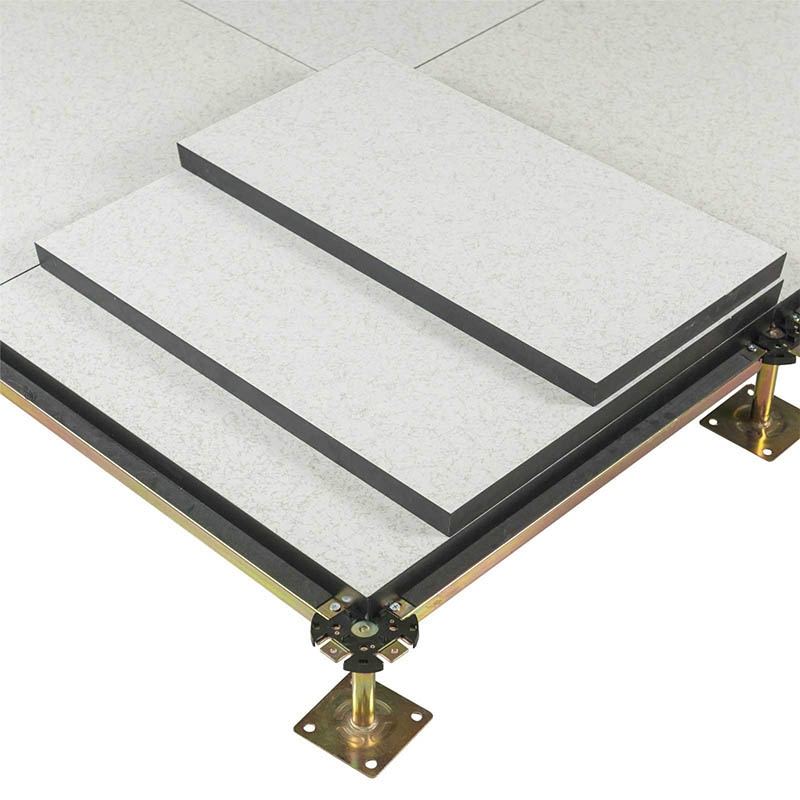
How does an anti-staic wood core raised access floor achieve stable and long-lasting static conductivity on a wood substrate?
While the wood substrate itself is an insulator, the anti-staic wood core raised access floor achieves stable and long-lasting static conductivity on top of it.
Learn More2025-10-02